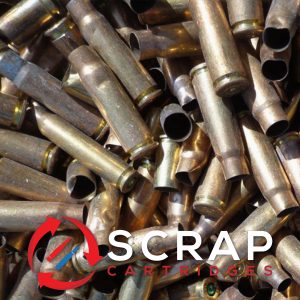
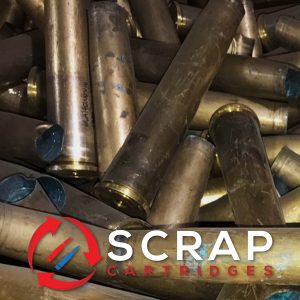
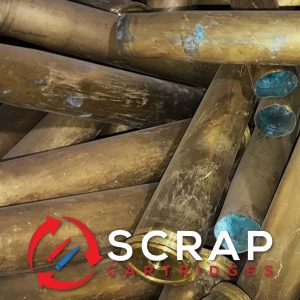
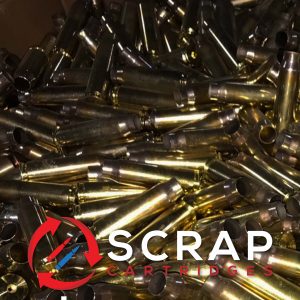
Ammo must be inactive before recycling. Live cartridges are not qualified for recycling since they may detonate. The lead slug in live ammo defiles the shell’s brass; along these lines, recyclers think that its difficult to isolate lead from brass. The brass shell packaging recycling framework comprises of:
-
Shells being arranged by material. Recyclers sort the shells by material. Shell compounds as a rule contain
brass
, aluminum, or steel. Every so often, they are plated with chrome, nickel, silver, or even gold.
-
Subsequent to arranging, recyclers expel the shells.
-
Shells are “flew” in a high-temperature oven ensuing to arranging. This powers any live adjusts to detonate.
-
After the recycler places the shells in an extraordinary container to cool, a quality control director confirms the shells.
-
At that point, the recycler cleans the shells. Cleaners wash the shells to oust however much lead and earth as could be expected.
-
Auditors run the clean and “popped” shells through a shaker table. This confirms what live adjusts and other undesirable materials the recycler should evacuate.
-
Next, a sledge factory or shredder takes the shells and distorts them into littler pieces. At that point an aggregator machine takes these pieces and loads them for transportation.
-
At long last, the recycler takes the shells to a brass plant. Here, they are liquefied, joined and blended in with metallic components to achieve a particular mix. At that point, the recycler structures the shells into pole or ingot.
ScrapCartridges.com buys scrap brass cartridges from wherever in the United States. In view of transportation costs, recycling brass shell casings that are further away can represent an issue. In any case, ScrapCartridges.com will work with you to beat the difficulties.
Subsequent to appreciating the recycling procedure, it is basic to comprehend why this procedure is huge.